


Retreats und Gruppenreisen

Return to the Throne mit Coherence Retreats in Ägypten
 Wellness
 8 Tage
 4. – 11. Oktober 2027

Yoga-Retreat mit Liv in Kroatien
 Explorer
7 Tage
19.–25. Juni 2027

Italy with Shaun T & Scott Blokker
 Fitness
5 days
August 10–14, 2027

Eine Pilgerreise durch die Mutter der Welt: Ägypten mit Maria Amiouni
 Spiritual
7 Tage
11. Dez. – 17. Dez. 2026

ABC Fitness Adventure Retreat with Jennifer & Jarred Neal in Croatia
Fitness
8 Days
June 5–12, 2027

Yoga-Retreat mit Liv in Ägypten
Dieser Rückzugsort verbindet Ägyptens Highlights mit friedlichen Auszeiten, die dazu dienen, Körper und Geist zu nähren. Sie besuchen die Pyramiden, entspannen in der ruhigen Schönheit der Oase Siwa und lassen in El Gouna am Meer die Seele baumeln.
Mit einer Mischung aus sanftem Abenteuer, kulturellen Entdeckungen und Zeit zum Auftanken bietet diese Reise eine tiefere Verbindung zu Ägypten – und zu Ihnen selbst.
Es ist der perfekte Kurzurlaub für alle, die einen Gang zurückschalten und Ägypten auf eine sinnvolle, ausgeglichene Weise erleben möchten— während Sie Yoga, Meditation und andere erdende Rituale praktizieren.
OUR HOSTS
The Practitioners Behind Our Retreats
-

JJ Dancer
Celebrity Choreographer
LA choreographer turning dance fitness into pure confidence and joy.
-
JJ Dancer
Celebrity Choreographer
LA choreographer turning dance fitness into pure confidence and joy.
-
-
-
-
-


Exklusive Reiseziele


Meistverkaufte Reiseprogramme
Tauchen Sie ein in authentische Erlebnisse, die von lokalen Experten zusammengestellt wurden, welche diese Reiseziele kennen und lieben.
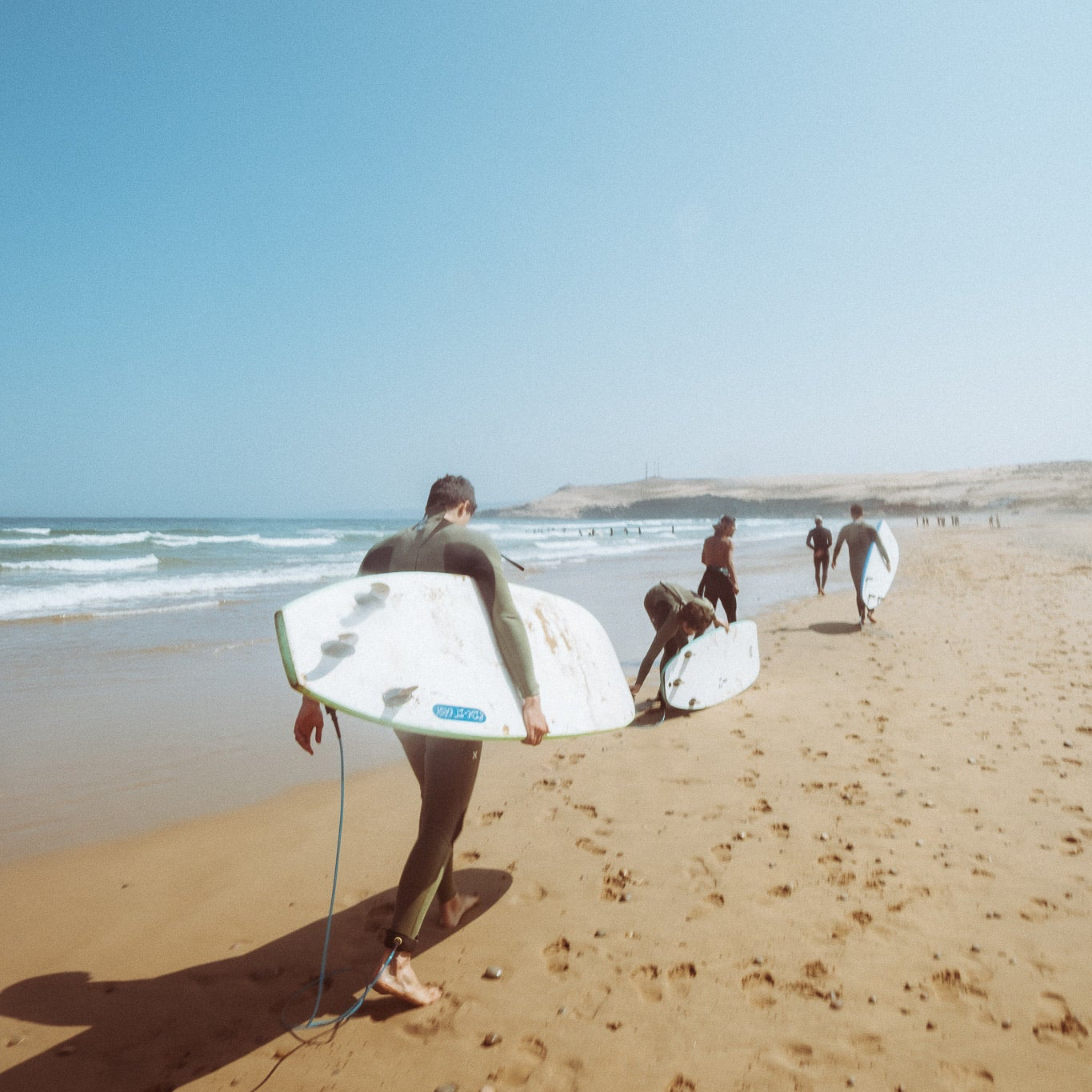
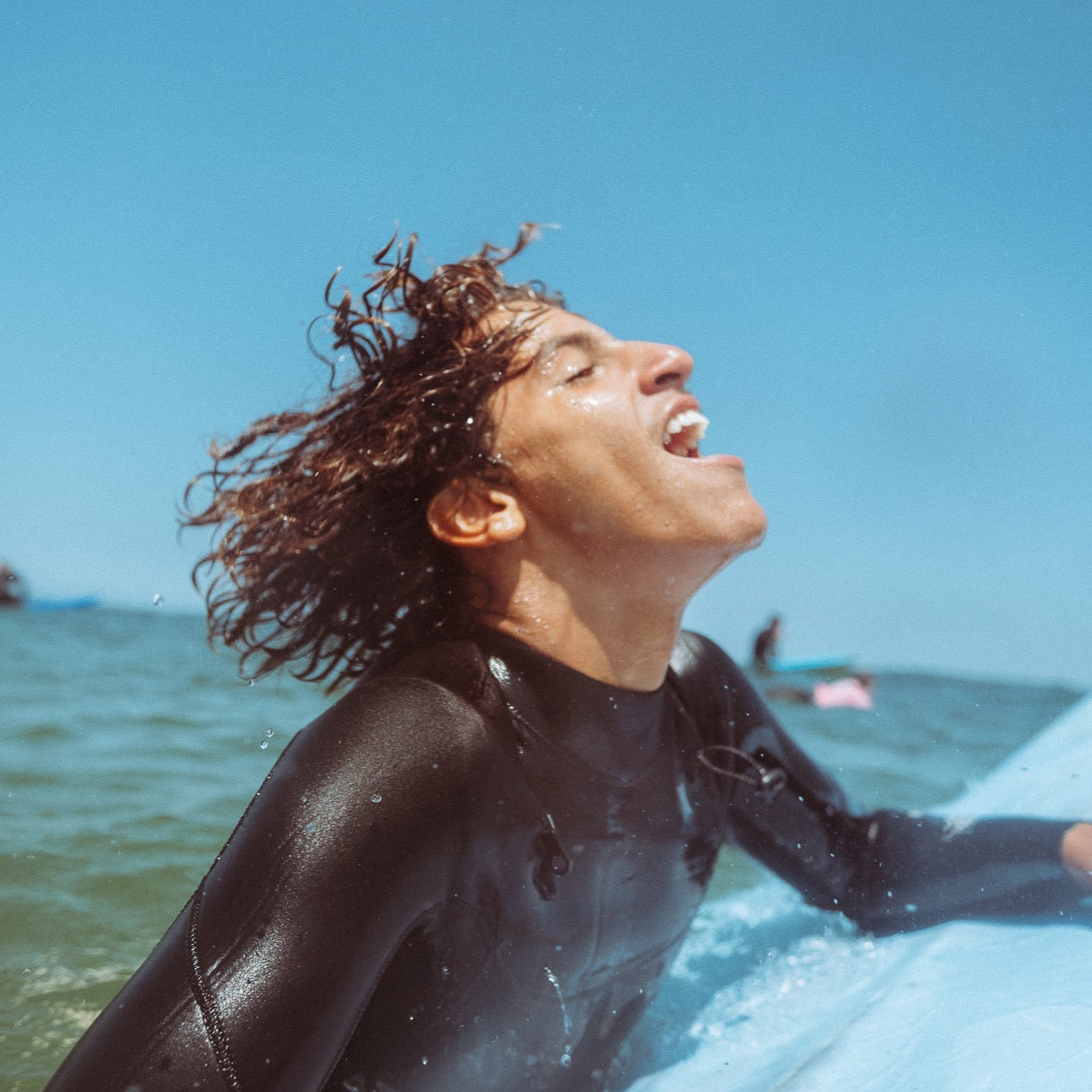


Typ: Private Führung
Šolta Padel Island Escape: Padel, Meer & das entschleunigte dalmatinische Leben
6 Tage / 5 Nächte
 Adventurer
 Split, Rogač, Grohote


Typ: Private Führung
Luxuskreuzer-Inselhüpfen: Kroatiens dalmatinische Küste
8 Tage
 Indulger
Trogir, Bol, Vis


THE STAMPS DIFFERENCE
Warum bei Stamps buchen?

Transformations-Retreats
Retreats, die gemeinsam mit führenden Moderatoren konzipiert wurden und sich auf bedeutende Veränderungen, Verbundenheit und persönliches Wachstum konzentrieren – statt nur auf Sightseeing.

Siwa und Wüstenspezialisten
Versteckte Oasen- und Wüstenexpeditionen mit einem der wenigen Anbieter, die Siwa und Ägyptens abgelegene Landschaften wirklich kennen.

Gastfreundschaft wie unter Freunden
Ein engagierter englischsprachiger Gastgeber reist mit Ihnen, fungiert als Ihr Ansprechpartner und weicht nicht von Ihrer Seite

Privater Zugang zu Pyramiden und Tempeln
Vom Flughafentransfer bis hin zu Boutique-Unterkünften, geführten Tagen und integrierten Ruhephasen wird Ihr Retreat von Anfang bis Ende komplett für Sie organisiert, damit Sie abschalten und sich sicher fühlen können,

Flexible und faire Richtlinien
Reisefreundliche Bedingungen und großzügige Flexibilität, ohne starre Richtlinien, die die Planung unnötig belasten.

Engagement für die lokale Gemeinschaft
Die meisten Tourismusangebote nehmen mehr, als sie geben. Wir stellen sicher, dass jede Ihrer Erfahrungen Geld, Möglichkeiten und Stolz an die Menschen vor Ort zurückgibt.
Was Reisende über uns sagen

Paulina Landa
Alles war fantastisch! Die Gastfreundschaft, die Reiseroute, die spanischen Reiseführer, alle Serviceleistungen und kurzfristigen Anpassungen. Das Team war stets freundlich und zuvorkommend.

Declan McGrath
Dies war mein zweiter Besuch in Ägypten, und ich muss sagen, es fühlte sich an, als hätte ich beim ersten Besuch nicht das wahre Ägypten gesehen. Dank Stamps konnte ich das volle Erlebnis genießen. Ich fühlte mich immer in guten Händen und bin so dankbar für dieses einmalige Erlebnis :)

Adela Bazbaz
Dank Stamps Tours war der Yoga-Retreat in Ägypten ein transformierendes Erlebnis. Jede Aktivität und jeder Ort war perfekt abgestimmt, um eine unvergessliche Reise zu schaffen.

Arwa Fayed
Ich war kürzlich mit Stamps auf einer Reise nach Marokko und es war ein unglaubliches Erlebnis! Sehr freundliches Team und dank schneller Antworten konnten sie alle Probleme lösen, sodass meine Reise reibungslos und unvergesslich wurde.

Ghada Elserafi
Ich war dieses Jahr im Januar auf dem Surftrip nach Marokko und es war definitiv einer der besten Trips, die ich je gemacht habe. Das Team war aufmerksam, gut organisiert und die Buchung war super unkompliziert und flexibel.
Vertrauen Von










PARTNER WITH STAMPS
Bring your community to Egypt, Morocco & Croatia
We open up destinations your audience hasn't seen yet and handle everything on the ground, so you can focus on the experience itself.
-
Retreat hosts & companies
Run your retreat in Egypt, Morocco or Croatia without building local infrastructure. We design, price and operate it end to end, so you can focus on your community.
Host a retreat with us -
Travel agencies & operators
Your on-the-ground partner in all three destinations. Unlike a typical DMC, we run our own retreats, so we already know how a group like yours needs to move.
Become a ground partner -
Brands
Feature your products inside our retreats and trips, in front of an engaged, high-intent travel community and in the content our media team shoots along the way.
Collaborate with us
- 70+retreats hosted across the Middle East & Mediterranean
- 38,000+travellers in our community
- 4.9★rating across 800+ reviews
- Oysho & Red Bullbrand collaborations
Unsere Mission
Wir ermöglichen internationalen Reisenden kulturelle Erlebnisse im Nahen Osten.
Unser Ziel ist es, die Region durch unser Expertenteam, das auf Touren und Erlebnisse in der MENA-Region spezialisiert ist, zugänglicher, sichtbarer und näher als je zuvor für Sie zu machen.
Stamps hat sich zum Ziel gesetzt, die MENA-Region wieder als Top-Reiseziel für internationale Reisende bekannt zu machen.
Ein Reiseziel, das sicher, kulturell und frei ist.

Der lokalen Kultur etwas zurückgeben
Der lokalen Kultur etwas zurückgeben
Heutzutage leiden viele lokale Kulturen unter dem modernen Tourismus. Unsere oberste Priorität ist es, die Kultur der Einheimischen, die unsere Träume möglich machen, zu bewahren und ihnen etwas zurückzugeben. Deshalb wird jede einzelne Tour und jedes Erlebnis, das Sie finden , von Einheimischen durchgeführt und kommt der lokalen Gemeinschaft zugute.
Ausbildung
Ausbildung
Bei Growing Stamps ging es nie nur um die Monetarisierung oder das Wachstum eines Unternehmens, sondern es ging und wird immer darum gehen, die Welt über die Schätze des Nahen Ostens zu informieren.
Geschichtenerzählen
Geschichtenerzählen
Am Reisen gefällt uns am besten, dass wir Menschen treffen und uns ihre Geschichten anhören, unsere eigenen erzählen und diese Verbindungen mit völlig Fremden teilen. Dies wird daher immer den Kern unserer Marke und unserer Art zu kommunizieren bilden.
Großzügigkeit und Gastfreundschaft
Großzügigkeit und Gastfreundschaft
Wenn wir Ihnen eines über den Nahen Osten erzählen möchten, dann ist es die Großzügigkeit und Gastfreundschaft der Menschen dort. Und das spiegelt sich in allem wider, was wir tun, in all unseren Dienstleistungen. Das macht uns aus.
Branchen-Einblicke

Siwa Oasis Egypt: The Complete Travel Guide
Siwa Oasis Egypt: The Complete Travel Guide Last updated: October2026 Siwa Oasis, Egypt, is a remote Amazigh oasis in the Western Desert, located about 750km west of Cairo and 50km from the Libyan border. People come to Siwa for the salt lakes, the hot springs, the Oracle of Amun, and the Great Sand sea, and for something nowhere else in Egypt offers: a place where nothing is hurried. It takes along drive to get there and that is exactly the point. Nobody ends up in Siwa by accident, and by the second morning you wake up, you stop checking your phone. Siwa Salt Lakes Siwa Oasis at a Glance Siwa is Egypt's most remote oasis: a palm filled, salt-laked Amazigh (Berber) community in the Western Desert. Reached only by road, Siwa is best visited from October to April, and worth at least three nights. Distance from Cairo About 750 km by road Drive Time 8 to 10 hours from Cairo. 7 hours from Alexandria(private driver, with a rest stop) Elevation About 18 m below sea level Population Between 31,500 and 39,500 people, mostly Siwi (Amazigh) Best Months October to April Minimum Stay 3 night, 4 is better. Nearest Airport Marsa Matruh. Where Is Siwa Oasis? Siwa Oasis sits in Egypt's Western Desert in Matruh Governorate, roughly 50 km from the Libyan border and 300 km south of Marsa Matruh on the Mediterranean coast. Siwa, Matruh is not on the way to anywhere. The road runs from Cairo to El Alamein, along the coast to Marsa Matruh, then south for about four hours through open desert until the palms appear. The oasis lies about 18 m below sea level, in a natural depression. That low ground is why Siwa has springs, salt lakes and groves of date palms in the middle of one of the driest regions on earth. What Makes Siwa Different From the Rest of Egypt To put it simply, Cairo is loud. Luxor is monumental. But Siwa? Siwa is serene. While Egypt is globally renowned for its ancient Pharaonic wonders, Siwa tells a different, deeply captivating story shaped by the Amazigh (Berber) people, whose roots in North Africa stretch back millennia. If you've ever wanted to step off the beaten path and explore a culture fiercely preserved by geography and tradition, the story of the Siwans is one you need to hear. Ancient Roots: How the Amazigh Came to the Desert Long before modern borders were drawn, nomadic and agrarian Amazigh tribes migrated across North Africa, settling in isolated fertile pockets of the Sahara. Siwa became one of these vital sanctuaries. Surrounded by harsh, unforgiving desert, the Siwans lived in relative isolation for centuries. A paved road did not connect it to the rest of Egypt until the 1980s, and as a result, the oasis managed to keep its own identity, social structures, language, traditions, and their own pace. Yes Arabic is spoken in the oasis, but you'll hear Siwi in the souq before you hear Arabic. Architecture of the Earth Walking through Siwa is like stepping into a living, breathing fantasy novel. Traditional Siwan architecture is heavily defined by a unique material called Karsheef, a mix of salt-rich mud, straw, and clay that is stacked into walls and left to bake. It looks like it grew out of the ground, and in a sense it did. Kershef is a miracle in itself. It is a natural weather regulator that keeps houses the perfect temperature all year round, keeping hot sunny days breezy inside your house, and cold winter nights warm and cozy. The old town itself was built vertically with tightly packed multi-story homes, creating narrow, shaded corridors designed to catch desert breezes and keep homes cool. The Oases of Abundance: Dates and Olives Despite being surrounded by desert sands, Siwa is an agricultural powerhouse. The entire economy is built on the trade of two ancient crops: dates and olives, harvested from the same groves the town has farmed for centuries. Over 300,000 date palms and 70,000 olive trees blanket the oasis, fed by natural, mineral-rich artesian springs that have bubbled up from the earth for ages. Autumn in Siwa is a sensory explosion. The air smells sweet with ripening dates, and the entire community comes together for the harvest ~ a festive time of shared labor, music, and celebration. Preserving the Magic in a Changing World Today, Siwa is slowly connecting with the wider world through eco-tourism, drawing travelers who seek the pristine tranquility of the desert, natural salt baths, and starlit nights. Yet, the people of Siwa remain deeply protective of their heritage. To visit Siwa is not merely to sightsee; it is to witness a living testament to resilience. It’s a place where the ancient Amazigh spirit thrives under the shade of palm trees, whispering ancient stories to anyone willing to listen. That is why nowhere compares in Egypt when it comes to stillness. If the idea of a trip with no agenda sounds appealing, the art of doing nothing explains why we think it is the most underrated kind of travel. Aerial View of Shali Fortress, Siwa Old Town How to Get to Siwa Oasis Siwa can be reached by road. From Cairo the drive takes 8 to 10 hours via El Alamein and Marsa Matruh, and from Alexandria about 7 hours. There are commercial flights to Siwa as the nearest Marsa Matruh airport has limited seasonal service. We can arrange flights for all who ask for it, but you would still face the four-hour drive south, so most travelers skip it. A public bus exists, but we do not recommend it for a first visit: it is slow, crowded and difficult to coordinate with onward plans. Some retreats run an overnight drive to save a day, and it works for the right group. We use private transfers with a proper rest stop at Marsa Matruh. Ten hours in transportation is only a problem if you treat it as dead time, and the coast road in the morning light is part of the trip. Best Time to Visit Siwa The best time to visit Siwa is October to April, when days are warm, nights are cool and the desert is comfortable. October: The Siyaha festival takes place for three days every year coinciding with the October full moon and the local date and olive harvest. November to February: perfect days of around 20°C, and nights that can approach freezing. Pack layers. March and April: warming up, still pleasant. May to September: regularly above 40°C. Only worth it if you are there for the hot-sand therapy at Gebel Dakrur in July and August. Top Things to Do in Siwa Oasis Here are nine places you must see and experience. The Temple of Amun, Aghurmi Stop What it is? Go for Shali Fortress and the Old Town A 13th-century fortress of kershef, which dissolved over three days of rain in 1926 and now stands as a melted, lived-in ruin. Climb it at sunset. The whole town turns the color of honey. Temple of the Oracle of Amun, Aghurmi Built in the 6th century BC, this was the oracle Alexander the Great crossed the desert to consult in 331 BC. By the ancient accounts, he asked whether he was the son of Amun. Go listen to the story and find out the answer he was given, and what he made of it. Mountain of the Dead A limestone hill honeycombed with rock-cut tombs from the 26th Dynasty through the Ptolemaic and Roman periods The view over the palms is simply magnificent. Great Sand Sea Safari and Sandboarding One of the largest dune fields on earth, stretching across Egypt into Libya. Sandboard the slopes, watch the sun go down from the crest, and drink Bedouin tea in the last of the light. Cleopatra's Spring A natural stone spring pool. The swim is lovely. The Salt Lakes Active salt pools known for vivid turquoise and blue colors and their extreme buoyancy. This is the photo everyone comes for. Fatnas Islands A palm-fringed islet with a small tea hut. Go the first evening. After a long drive, it is the best possible welcome. Bir Wahed and the Hot Springs Deep, in the Great Sand Sea, a hot spring and a cold lake side by side. You need a 4x4 and a permit, so go with an operator who handles both. The Siwa Souq The vibrant earthly commercial heart of Siwa. A slow-paced Amazigh market with a distinct array of local goods. Dates, olive oil, embroidery and salt lamps. Skip anything that looks mass-produced. Fatnas Island Where to Stay in Siwa Siwa offers two kinds of stays: Ecolodges built from local materials Handful of conventional hotels. Luxury here means silence and design, not room service. The best known ecolodges are Adrère Amellal, which has no electricity and runs on candlelight. They are beautiful, and they are also simple. Expect thick mud walls, cool rooms, warm food and very little technology. The conventional hotels are more predictable and often cheaper. If you are searching for hotels in Siwa Oasis, Egypt, know that the choice comes down to atmosphere versus comfort, not good versus bad. Be honest with yourself about which one you want. A lodge without electricity sounds romantic until the second night, when the room is dark by 7 pm and the desert is cold. For many travelers that is exactly what they came for. Read our stay at Adrère Amellal to see what it is actually like. High-End Accommodation Options Siwa3 luxury stays Stamps Ayur Siwa ★★★★★5.0 out of 5 stars Serene, luxury campsite and wellness retreat located in the Siwa Oasis Escape to the serene Siwa Oasis with a stay at Campsite Stamps Ayur Siwa, nestled in the picturesque Siwa Dakrour Mountain. Talist Siwa ★★★★½4.5 out of 5 stars Family-operated eco-lodge in Siwa A family-operated, eco-friendly Bedouin-style lodge located near Siwa Lake, Famous for its digital detox environment. Taziry Ecolodge Siwa Siwa Oasis · Egypt An ecolodge built from natural materials, known for clear night skies and organic Siwan cooking. Wellness, Yoga and Healing in Siwa Siwa is a wellness destination because of its stillness and its water, not because of spas. The oasis is traditionally known for hot-sand therapy at Gebel Dakrur, and its springs, salt lakes and silence suit yoga, meditation and rest. Siwa is not a medical tourism hub in the Western sense. There are no clinics offering procedures here, and anyone who tells you otherwise is selling something. What Siwa has is older and simpler: traditional therapies and a landscape that slows you down. The sand baths. In July and August, people come to Gebel Dakrur for hot-sand therapy, where the body is buried up to the neck in sun-heated sand for a short, supervised session. Locals have long used it for joint pain and rheumatic complaints. That is tradition and personal testimony rather than clinical evidence, and it is intense. If you have a heart condition, high blood pressure or any chronic illness, talk to your doctor first. It also falls in the hottest months, outside our October to April preferred visit window. The water. You float in the salt lakes without trying, and the springs are warm and mineral-rich. Most people find it deeply relaxing, regardless of its healing properties. Yoga and stillness. Sunrise sessions among the palms and sunset on the dunes are what Siwa does best. Wellness retreats here usually combine yoga with long silences, desert walks and simple food. There is no signal to pull you away, and the quiet carries the practice more than any teacher can. How Many Days Do You Need in Siwa? Plan on three nights minimum, and four if you can. A day trip is not realistic, because the drive alone takes a full day each way. A three-night stay has a natural shape: Night 1: arrive, settle in, catch the sunset at Fatnas Island. Day 2: Shali, the temple, Mountain of the Dead, then the salt lakes. Day 3: a full desert day, with the 4x4, the hot springs and the dunes. A fourth day lets you do nothing, which in Siwa is a real activity. If you want the whole thing planned, see a 4-day private Siwa escape. View the 4-Day Siwa Escape Adding Siwa to a Wider Egypt Itinerary Siwa works best as the decompression chapter after Cairo. Spend a few days with the pyramids, the museums and the traffic, then drive west and let the pace drop. There are a few common shapes. The classic is Cairo plus Siwa. Cairo, Siwa and El Gouna adds a Red Sea finish. And some retreats are built entirely around Siwa, designed for doing less. Whichever you choose, the pattern is the same. Siwa is always the finishing touch. If you are still piecing your route together, you can explore private Egypt tours to see how Siwa fits. If the slow chapter is what you want most, see our already set itinerary Desert Stillness: Cairo & Siwa retreat. View Desert Stillness: Cairo & Siwa Practical Tips Before You Go Dress modestly. Cover shoulders and knees. Siwa is more conservative than Cairo. Do not photograph Siwi women without clear consent. Many women in the old town are traditionally veiled, and photographs are not welcome. Bring cash in Egyptian pounds from Cairo. ATMs are few and sometimes run dry. Expect patchy mobile signal and slow Wi-Fi at most lodges. Treat it as a feature. Friday is quiet. Plan around it. Pack layers. Desert nights are cold, even when the day was warm. Closed shoes for the fortress, reef shoes for the salt lakes, and sunscreen for everything. With Siwi hosts, a little courtesy goes a long way: greet people, accept the tea, and ask before you take a photograph. Is Siwa Safe to Visit? Yes, with a licensed operator and approved roads. Siwa sits close to the Western Desert zones that both the US State Department and the UK FCDO flag, and both advise traveling with a licensed operator rather than self-driving. That is the whole answer. With a licensed operator on vetted routes, Siwa is on the guidance side of that line. For the full picture, read is Egypt safe to visit. How Stamps Runs Siwa .Most Siwa itineraries are the same stops in the same order. But ours start from a different place. Our founder lived in Siwa for more than two entire years and became a local himself. And that is what makes us different: We know the spots with no guidebook lists. More than 10 years on the ground means we know all the quiet corners, the best tea huts and the hidden gems tourists never find. That is not something you can research from an office. We bring the setup to you. We run a portable setup for the salt lakes and the desert safari, so the day follows the light and the water instead being anchored to a fixed stop. The itinerary is completely customizable. Want a longer afternoon at the springs? Skip a site? Add something? Timings and stops can be added, removed or reshuffled, all according to what you want. We have done this for a long time. We have run desert trips and expeditions for more than ten years, and Siwa's roads, weather and rhythms are familiar territory. We also keep the long drive humane. Private transfers, with a proper rest stop at Marsa Matruh, mean the road is part of the trip and not a hassle to get through. This is what happens when the people planning the trip have actually done it a million times before. Explore Our Siwa Tours FAQ How do you get to Siwa Oasis? Siwa can only be reached by road. From Cairo it is 8 to 10 hours with a private driver via El Alamein and Marsa Matruh, and about 7 hours from Alexandria. There are no scheduled commercial flights. A public bus exists, but a private transfer with a rest stop is far more comfortable for most travelers. Is Siwa Oasis worth visiting? Yes, if you want a quieter side of Egypt. Siwa offers salt lakes, hot springs, an ancient oracle, vast dunes and an Amazigh culture you will not find in Cairo or Luxor. It is a long drive, but travelers who want a slower pace usually say it was the best part of their trip. Is Siwa good for wellness and yoga? Yes, if you want rest rather than treatment. Siwa’s silence, salt lakes and warm springs suit yoga, meditation and slowing down, and wellness retreats here often pair daily practice with desert walks. It is not a medical tourism destination, and traditional therapies like the Gebel Dakrur sand baths are best discussed with your doctor first. How many days do you need in Siwa? Plan on three nights minimum, and four if you can. The drive takes a full day each way, so a day trip is not realistic. Three nights covers the main sites, the salt lakes and a desert day. A fourth night gives you time to slow down. What is the best time to visit Siwa Oasis? October to April. Winter days are around 20°C and pleasant, while desert nights can approach freezing, so bring layers. October brings the date harvest. Summer regularly exceeds 40°C and is best avoided unless you are visiting for the hot-sand therapy at Gebel Dakrur. Can you fly to Siwa? You definitely can. Commercial flights to Siwa are limited but can be arranged if you ask for it. The nearest airport is Marsa Matruh, which has limited seasonal service, and the oasis is still about four hours south by road. Most travelers drive the whole way from Cairo or Alexandria. Is Siwa safe to visit? Yes, with a licensed operator. Siwa is close to Western Desert areas that the US State Department and the UK FCDO flag, and both recommend traveling with a licensed operator rather than self-driving. Plan Your Siwa Trip The Luxury in Silence: Adrère Amellal in Siwa Is Egypt Safe to Visit? A 2026 Traveler's Guide
Erfahren Sie mehr
Ist Ägypten eine sichere Reiseziel? Ein Reiseführer für das Jahr 2026
Während der aktuellen Konflikte ist es natürlich, sich einige Fragen zu stellen. Aber wie sieht die Realität aus?
Erfahren Sie mehr
Die beste Reisezeit für einen Segeltörn in Kroatien: Eine Übersicht nach Monaten
Es gibt keinen falschen Monat für einen Segeltörn in Kroatien, nur verschiedene Vor- und Nachteile. Hitze versus Menschenmassen, garantierte Sonne versus besserer Wind, Spitzenpreise versus leere Häfen. Hier erfahren Sie genau, wie diese Abwägung Monat für Monat aussieht, sowie die Windverhältnisse, die Sie vor der Buchung kennen sollten.
Erfahren Sie mehr
Segeln in Kroatien: Von Split zu den dalmatinischen Inseln
Segeln Sie mit einem privaten Katamaran ab Split durch die dalmatinischen Inseln. Entdecken Sie versteckte Buchten, historische Altstädte und ruhige Ankerplätze auf Vis, Lastovo, Hvar, Korčula und Bol.
Erfahren Sie mehr
Lululemon hat gerade seine gesamte Kampagne eingestampft.
Lululemon verwandelte die Chinesische Mauer in eine Yogamatte für 2.000 Personen, um das zehnjährige Bestehen in China zu feiern, und musste dann mitansehen, wie der Moment wegen eines einzigen Details, das niemand rechtzeitig bemerkte, aus den Fugen geriet. Es ist nicht das erste Mal, dass eine globale Marke diese Lektion auf die harte Tour lernt, und die Lösung ist eigentlich gar nicht so kompliziert.
Erfahren Sie mehr
Eine geheime Karte zu Kroatiens besten Yoga-Spots
Kroatien hat über 1.200 Inseln und die meisten Retreat-Anbieter veranstalten Yoga auf denselben drei. Dies ist Ihre Insider-Karte für die Ausrichtung eines unvergesslichen Yoga-Retreats in Kroatien!
Erfahren Sie mehr
Ägyptische Mythologie und modernes Wellness: Die Göttin Maat
Was bedeutete die Göttin Maat damals für die alten Ägypter? Und wie lässt sich die moderne Wellness-Industrie heute noch von ihr inspirieren?
Erfahren Sie mehr
Die Politik einer Mädelsreise
Irgendwie stecke ich zwischen der Wahrnehmung all der Liebe auf der Welt und dem Umgang mit meiner politischen Wut fest. In letzter Zeit, wo der Sommer näher rückt, bin ich auf einen Trend bei Instagram-Posts gestoßen: Die 10 besten Sommerreiseziele, die du nächsten Monat besuchen kannst. Ein kurzer Wochenendtrip nach Europa. Ein wahnsinnig günstiges Ticket für einen Flug am nächsten Tag an "diesen Ort". Versteh mich nicht falsch, diese Posts sehen wunderschön aus und vermitteln ein Gefühl von Laune, wenn ich mir vorstelle, wohin meine nächste Reise gehen könnte. Schöne Farben, cineastische Ästhetik, ein passender Soundtrack. Aber was mich wie ein LKW trifft, sobald die Reiseplanung ernst wird, sind die Visumsprozesse. Die Tatsache, dass die Visumanträge meiner Freundinnen immer noch ausstehen, was unseren Mädelsurlaub im Juni zum Stillstand bringt. Hier sitzen wir nun seit Februar, diskutieren über Kontoauszüge, Nachweise über die Rückkehr, Hotelbuchungen und endlose bürokratische Komplikationen, nur um ein 3 Monate gültiges Plastikpapier in unsere Reisepässe getackert zu bekommen, auf dem steht: "Hey, du erscheinst mir würdig, mein Land zu besuchen!" Nur um später bei der Grenzkontrolle mit Fragen gelöchert zu werden wie: Warum besuchen Sie [Name des Landes einfügen]? Was ist der Zweck Ihrer Reise? Wo übernachten Sie? Warum übernachten Sie dort? Wann reisen Sie wieder ab? Mein Gott, war es schon immer so schwer, ein Gelato in Italien zu essen? In die Karibik einzutauchen? Auf der Chinesischen Mauer zu spazieren? Manche besitzen Reisepässe, die Türen öffnen, die anderen verschlossen bleiben. Das Visasystem und die Ungleichheit bei Reisepässen sind einige der größten Ungerechtigkeiten innerhalb der Reisebranche. Was ist das VISA-System? Laut der Website des Reisepass-Index ist ein Visum ein offizielles Dokument, das dem Inhaber erlaubt, rechtmäßig in ein fremdes Land einzureisen. Einfach ausgedrückt: Kein Visum? Keine Einreise. Reisepass nutzlos. Ich habe kürzlich diesen Artikel auf Substack gelesen, in dem es um das Reisen, soziale Medien, das Leben... die wahre Bedeutung des Reisens geht. Der Kontrast zwischen dem, was es bedeutet, ein Reisender oder ein bloßer Tourist zu sein. Und der erste Satz lautete: Wer verdient es zu reisen? Da sich der Artikel weigert, sofort näher auf eine solche Aussage einzugehen, lässt er uns bis ganz zum Schluss mit dieser Frage allein. Der Artikel hinterfragte den wahren Nutzen, der bei den lokalen Gemeinschaften 'ankommt', wenn die Tourismusraten steigen, Einheimische aus ihren Häusern verdrängt werden, um sie gegen Kurzzeitvermietungen auszutauschen, was nicht nur die Optionen für Reiseunterkünfte, sondern auch die lokalen Wohnkosten weiter in die Höhe treibt. Aber je weiter ich las, desto mehr konnte ich diese versteckte Annahme erkennen. Die Annahme, dass man einfach... in ein anderes Land fliegen könnte. Wer profitiert tatsächlich? Die Fluggesellschaft, die den Flug zu einem Preis anbot, der keine besondere Verpflichtung, keine besondere Vorbereitung und kein besonderes Opfer erforderte? Obwohl die Idee hinter einer solchen Aussage ihre Berechtigung hat, sticht sie dennoch. Einige haben bereits bewiesen, dass sie tatsächlich reisefähig sind. Müssen diese Menschen auch noch Fremden gegenüber beweisen, dass sie echte Reisende und keine Touristen sind? Sind sie an der ausbeuterischen Natur von Social-Media-Algorithmen und gierigen Vermietern schuld? Nicht jeder wird reisen können... und diejenigen von uns, die DOCH reisen? Die sind privilegiert. Wir dürfen etwas erleben, das die meisten Menschen auf der Welt nie erleben werden. Und das ist eine große Verantwortung. Wir können uns nicht länger von Hochglanz-Marketing-Sprüchen überzeugen lassen. Wenn wir das Glück haben, Grenzen zu überschreiten, dann tragen wir die Verantwortung, besser zu reisen. Wenn wir unsere Koffer packen und unsere Reiserouten wählen, müssen wir uns die schwierigen Fragen stellen: Ist dieses Hotel wirklich 'grün'? Oder betreiben wir Greenwashing für irgendein mieses System der Ausbeutung versteckter Ressourcen, das im Kleingedruckten unseres Buchungsvertrags steht? Wird diese Tour von Einheimischen geleitet? Unterstützt sie Einheimische? Stellt sie eine neue Generation von Einheimischen ein? Unterstützen wir die Gemeinschaft, die dort noch lange nach unserem Besuch leben, lachen und lieben wird? Hilft unsere Anwesenheit, ihre Gemeinschaften zu finanzieren? Oder treiben wir ihre Mieten in die Höhe und gentrifizieren ihre Nachbarschaften? Es ist nicht einfach, Antworten auf solche Fragen zu finden, aber sie zu stellen ist der erste Schritt, unser Privileg anzuerkennen und verantwortungsbewusst zu reisen. Es zeigt unsere Absicht und Bereitschaft, hinter die Ästhetik zu schauen und verantwortungsbewusst zu reisen. Reisen sollte nicht nur eine Flucht oder eine Kulisse für unsere Social-Media-Feeds sein. Es sollte ein bewusster Akt der Verbindung sein. Wir müssen sensibler reisen. Wir müssen das Land, auf das wir unseren Fuß setzen, ehren, die Gemeinschaften respektieren, die uns beherbergen, und denjenigen Respekt zollen, die vor uns da waren. Wenn das Visumssystem eines beweist, dann, dass die Welt kein reibungsloser Spielplatz für uns ist – und wir sollten anfangen, uns wie die dankbaren Gäste zu benehmen, die wir sind.
Erfahren Sie mehr
Fallstudie 002: Ana Chanis
Werfen Sie einen Blick in diese ägyptische Odyssee mit Ana Chanis und erfahren Sie, was unsere Gäste darüber zu sagen hatten.
Erfahren Sie mehr
Eine Reise auf dem Nil: El Nur Dahabiya
Bereisen Sie den Nil wie ein Pharao auf diesem einzigartigen Segelboot.
Erfahren Sie mehr
Wird KI die Seele unserer Reisen rauben?
Wir sind alle von KI abhängig... aber inwieweit können wir Reisen automatisieren? Und wird das menschliche Element verschwinden?
Erfahren Sie mehr
Wellnesstourismus: Die Kunst des Nichtstuns
Warum wir plötzlich alle vom „Nichtstun“ besessen sind und warum Wellness-Tourismus tatsächlich die Antwort ist?
Erfahren Sie mehr
Fallstudie 001: Olivia Franzman
Werfen Sie einen Blick auf den Erfahrungsbericht einer unserer liebsten Anwenderinnen und ihre Erlebnisse in Ägypten!
Erfahren Sie mehr
Der Luxus der Stille: Adrère Amellal in Siwa
Kann ein Hotel unsere Sicht auf eine Region verändern? Hier wird Intentionalität dem reinen Zugang vorgezogen, und das aus gutem Grund.
Erfahren Sie mehr
Yoga: Ein globales Handelsgut
Wer ist das Gesicht des Yoga? Und warum sollten wir bei der Ausübung achtsamer sein?
Erfahren Sie mehr
Nicht alle Yachtausflüge beginnen mit Champagner
Ist eine Yacht ein Fortbewegungsmittel oder ein gewichtiges Statement? Und warum sind wir von einem Lebensstil besessen, den wir niemals erreichen werden?
Erfahren Sie mehr