


Retreats and Group Trips

You, Beneath it All. Movement Through Egypt with Mimi ElAshiry
 Wellness
 12 Days
 Nov 21 – Dec 2, 2026

Return to the Throne with Coherence Retreats in Egypt
Wellness
8 Days
Oct 4 – 11, 2027

Yoga Retreat with Liv in Croatia
 Explorer
7 Days
June 19–25, 2027

Italy with Shaun T & Scott Blokker
 Fitness
2027

A Pilgrimage Through The Mother of the World, Egypt with Maria Amiouni
 Spiritual
7 Days
Dec 11 – Dec 17, 2026
OUR HOSTS
The Practitioners Behind Our Retreats
-

JJ Dancer
Celebrity Choreographer
LA choreographer turning dance fitness into pure confidence and joy.
-
JJ Dancer
Celebrity Choreographer
LA choreographer turning dance fitness into pure confidence and joy.
-
-
-
-
-


Signature Destinations


Best Selling Travel Programs
Immerse yourself in authentic experiences crafted by local experts who know and love these destinations.
Type: Group Tour
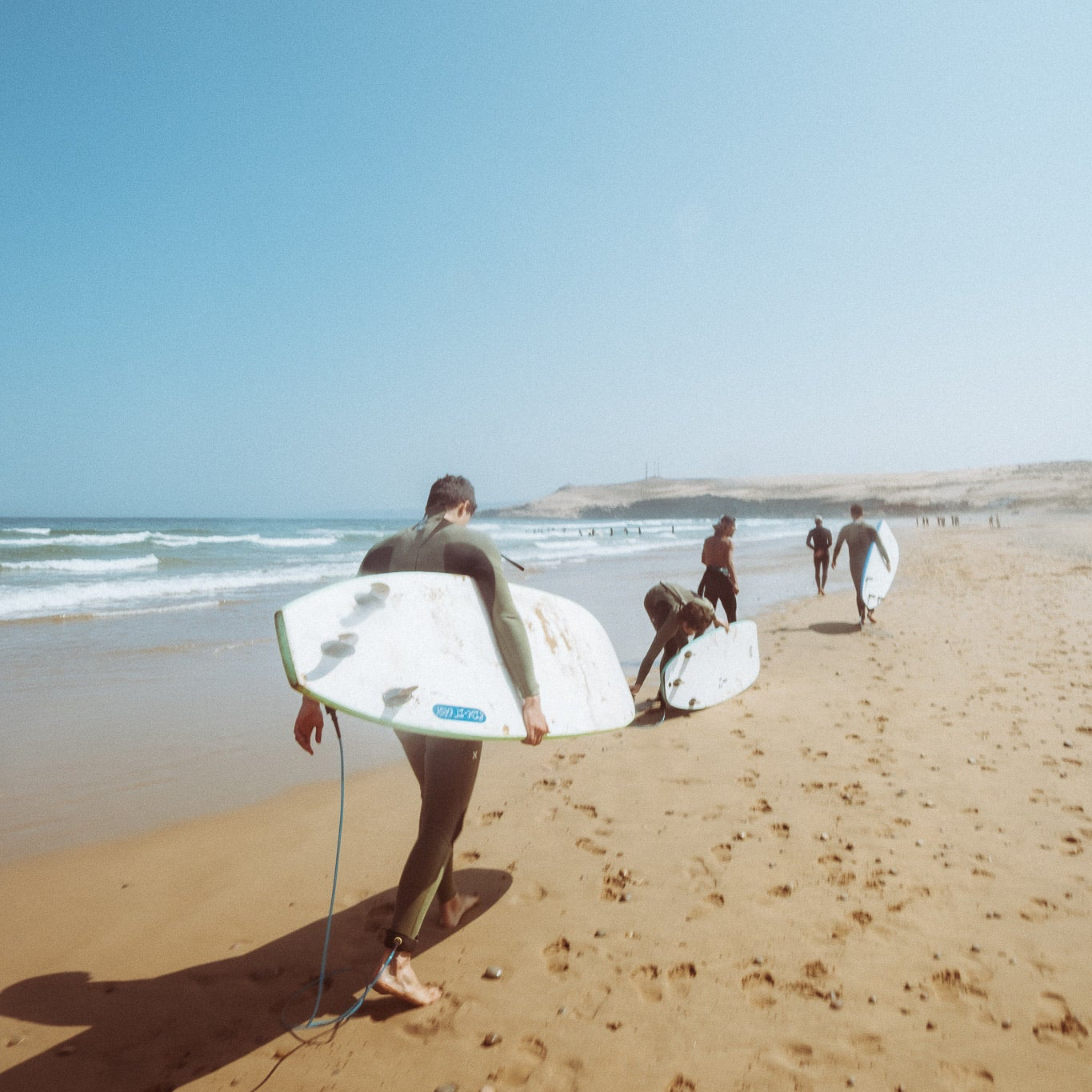
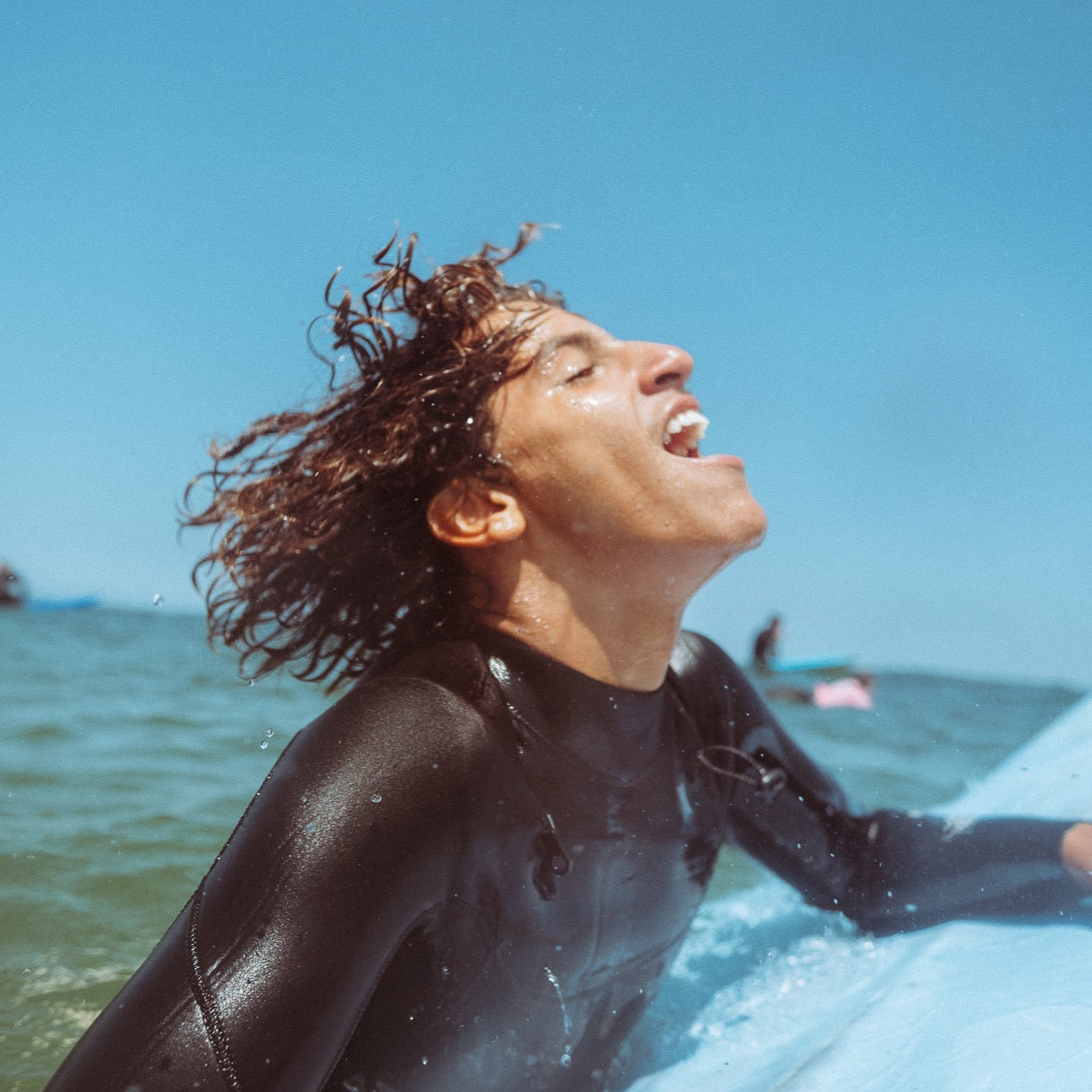
Surfing Packages in Agadir, Morocco
3–6 Nights
 Surf
 Agadir, Paradise Valley, Taroudant


Type: Private Tour
Šolta Padel Island Escape: Padel, Sea & Slow Dalmatian Living
6 Days / 5 Nights
 Adventurer
Split, Rogač, Grohote


Type: Private Tour
Luxury Cruiser Island Hopping: Croatia's Dalmatian Coast
8 Days
 Indulger
Trogir, Bol, Vis


THE STAMPS DIFFERENCE
Why Book with Stamps?

Transformational Retreats
Retreats designed with leading facilitators that focus on meaningful change, connection, and personal growth, not just sightseeing.

Siwa And Desert Specialists
Hidden-oasis and desert expeditions with one of the few operators that truly knows Siwa and Egypt’s remote landscapes.

Hosted Like A Local Friend
A dedicated English-speaking host travels with you, acts as your liaison, and never leaves you

Private Access To Pyramids And Temples
From airport pickup to boutique stays, guided days, and downtime built in, your retreat is fully handled end‑to‑end so you can switch off, feel safe,

Flexible And Fair Policies
Traveler-friendly terms and generous flexibility, without rigid policies that add stress to planning.

Giving Back To Local Communities
Most tourism takes more than it gives. We make sure every experience you have puts money, opportunity, and pride back into the hands of locals.
What Travellers Say About Us

Paulina Landa
Everything was amazing! The hospitality, the itinerary, the guides in spanish, all the services and last minute adjustments. The team was always hosting with kindness.

Declan McGrath
This was my second time visiting Egypt, and I must say, it felt as if my first visit hadn’t shown me the real Egypt. Thanks to Stamps, I got the full experience. I always felt I was in good hands, I’m so grateful for this once-in-a-lifetime experience :)

Adela bazbaz
Going on a yoga retreat in Egypt was a transformative experience, all thanks to Stamps Tours. Each activity and location was perfectly designed to create an unforgettable trip.

Arwa Fayed
Recently went on a trip to Morocco with Stamps and it was an amazing experience! Very friendly team and with swift responses they were able to sort out any hiccups, making my trip smooth and unforgettable

Ghada Elserafi
I went on the Morocco surf trip this year in January and it was for sure one of the best trips I’ve been on. The team was attentive, well organized and booking was super uncomplicated and flexible.
Trusted By










PARTNER WITH STAMPS
Bring your community to Egypt, Morocco & Croatia
We open up destinations your audience hasn't seen yet and handle everything on the ground, so you can focus on the experience itself.
-
Retreat hosts & companies
Run your retreat in Egypt, Morocco or Croatia without building local infrastructure. We design, price and operate it end to end, so you can focus on your community.
Host a retreat with us -
Travel agencies & operators
Your on-the-ground partner in all three destinations. Unlike a typical DMC, we run our own retreats, so we already know how a group like yours needs to move.
Become a ground partner -
Brands
Feature your products inside our retreats and trips, in front of an engaged, high-intent travel community and in the content our media team shoots along the way.
Collaborate with us
- 70+retreats hosted across the Middle East & Mediterranean
- 38,000+travellers in our community
- 4.9★rating across 800+ reviews
- Oysho & Red Bullbrand collaborations
Our Mission
We bring cultural experiences of the Middle East to international travelers.
Our goal is to make the region more accessible, more visible, and closer to you than ever through our expert team, which specializes in tours and experiences in the MENA region.
Stamps aims to reintroduce the MENA region as a top destination for international travelers.
A destination that is safe, cultural and free.

Giving back to local cultures
Giving back to local cultures
Today, a lot of local cultures suffer at the hands of modern tourism; it is our utmost priority that we preserve and give back to the locals who make our dreams possible, this is why every single tour and experience you will find is operated by locals and feeds the local community.
Education
Education
Growing Stamps was never just about monetizing or growing a business, it was and will always be about educating the outside world about the gems of the Middle East.
Storytelling
Storytelling
Our favourite part about travel is meeting people and listening to their stories, telling ours and sharing these connections with total strangers, so this will always be at the core of our brand and the way we communicate.
Generosity & Hospitality
Generosity & Hospitality
If we’re going to tell you one thing about the Middle East it would be about their generosity and hospitality, and so this is reflected in everything we do, in all our services, it’s who we are.
Inside the Industry

Siwa Oasis Egypt: The Complete Travel Guide
Siwa Oasis Egypt: The Complete Travel Guide Last updated: October2026 Siwa Oasis, Egypt, is a remote Amazigh oasis in the Western Desert, located about 750km west of Cairo and 50km from the Libyan border. People come to Siwa for the salt lakes, the hot springs, the Oracle of Amun, and the Great Sand sea, and for something nowhere else in Egypt offers: a place where nothing is hurried. It takes along drive to get there and that is exactly the point. Nobody ends up in Siwa by accident, and by the second morning you wake up, you stop checking your phone. Siwa Oasis at a Glance Siwa is Egypt's most remote oasis: a palm filled, salt-laked Amazigh (Berber) community in the Western Desert. Reached only by road, Siwa is best visited from October to April, and worth at least three nights. Distance from Cairo About 750 km by road Drive Time 8 to 10 hours from Cairo. 7 hours from Alexandria(private driver, with a rest stop) Elevation About 18 m below sea level Population Between 31,500 and 39,500 people, mostly Siwi (Amazigh) Best Months October to April Minimum Stay 3 night, 4 is better. Nearest Airport Marsa Matruh. Where Is Siwa Oasis? Siwa Oasis sits in Egypt's Western Desert in Matruh Governorate, roughly 50 km from the Libyan border and 300 km south of Marsa Matruh on the Mediterranean coast. Siwa, Matruh is not on the way to anywhere. The road runs from Cairo to El Alamein, along the coast to Marsa Matruh, then south for about four hours through open desert until the palms appear. The oasis lies about 18 m below sea level, in a natural depression. That low ground is why Siwa has springs, salt lakes and groves of date palms in the middle of one of the driest regions on earth. What Makes Siwa Different From the Rest of Egypt To put it simply, Cairo is loud. Luxor is monumental. But Siwa? Siwa is serene. Siwa was isolated for most of its history. A paved road did not connect it to the rest of Egypt until the 1980s, and as a result, the oasis managed to keep its own identity. Most people here are Siwi, an Amazigh community with their own language, customs, traditions, and their own pace. Yes Arabic is spoken in the oasis, but you'll hear Siwi in the souq before you hear Arabic. The old town is built of kershef, a mix of salt-rich mud and clay that is stacked into walls and left to bake. It looks like it grew out of the ground, and in a sense it did. Kershef is a miracle in itself. It is a natural weather regulator that keeps houses the perfect temperature all year round, keeping hot sunny days breezy inside your house, and cold winter nights warm and cozy. The entire economy is built on the trade of dates and olives, harvested from the same groves the town has farmed for centuries. Compare that with the rest of an Egypt trip. Cairo asks you to keep up and Luxor asks you to look up. Siwa asks you to sit down. That is why nowhere compares in Egypt when it comes to stillness. If the idea of a trip with no agenda sounds appealing, the art of doing nothing explains why we think it is the most underrated kind of travel. How to Get to Siwa Oasis Siwa can be reached by road. From Cairo the drive takes 8 to 10 hours via El Alamein and Marsa Matruh, and from Alexandria about 7 hours. There are commercial flights to Siwa as the nearest Marsa Matruh airport has limited seasonal service. We can arrange flights for all who ask for it, but you would still face the four-hour drive south, so most travelers skip it. A public bus exists, but we do not recommend it for a first visit: it is slow, crowded and difficult to coordinate with onward plans. Some retreats run an overnight drive to save a day, and it works for the right group. We use private transfers with a proper rest stop at Marsa Matruh. Ten hours in transportation is only a problem if you treat it as dead time, and the coast road in the morning light is part of the trip. Best Time to Visit Siwa The best time to visit Siwa is October to April, when days are warm, nights are cool and the desert is comfortable. October: The Siyaha festival takes place for three days every year coinciding with the October full moon and the local date and olive harvest. November to February: perfect days of around 20°C, and nights that can approach freezing. Pack layers. March and April: warming up, still pleasant. May to September: regularly above 40°C. Only worth it if you are there for the hot-sand therapy at Gebel Dakrur in July and August. Top Things to Do in Siwa Oasis Here are nine places in the order a three-day trip tends to meet them. Shali Fortress and the Old Town A 13th-century fortress of kershef, which dissolved over three days of rain in 1926 and now stands as a melted, lived-in ruin. Climb it at sunset. The whole town turns the color of honey. Temple of the Oracle of Amun at Aghurmi Built in the 6th century BC, this was the oracle Alexander the Great crossed the desert to consult in 331 BC. By the ancient accounts, he asked whether he was the son of Amun. The answer he got, and what he made of it, depends on which historian you trust. Mountain of the Dead Gebel al-Mawta is a limestone hill honeycombed with rock-cut tombs from the 26th Dynasty through the Ptolemaic and Roman periods. The paintings are faint. The view over the palms is the reason you climb. Great Sand Sea Safari and Sandboarding One of the largest dune fields on earth, stretching across Egypt into Libya. Sandboard the slopes, watch the sun go down from the crest, and drink Bedouin tea in the last of the light. Cleopatra's Spring Ain Guba is a natural stone pool fed by a spring, and it is lovely. The Cleopatra connection, however, is legend with no evidence behind it. Swim anyway. The Salt Lakes You float without trying, the water is almost absurdly bright at noon, and the white crust looks like snow. Rinse off in a spring afterward. This is the photo everyone comes for. Fatnas Island at Sunset A palm-fringed islet in Birket Siwa with a small tea hut. Go the first evening. After a long drive, it is the best possible welcome. Bir Wahed and the Hot Springs Deep in the Great Sand Sea, Bir Wahed has a hot spring and a cold lake side by side. You need a 4x4 and a permit, so go with an operator who handles both. The Siwa Souq Dates, olive oil, embroidery and salt lamps. Buy the dates and the oil. Skip anything that looks mass-produced. Where to Stay in Siwa Siwa offers two kinds of stays: Ecolodges built from local materials Handful of conventional hotels. Luxury here means silence and design, not room service. The best known ecolodges are Adrère Amellal, which has no electricity and runs on candlelight. They are beautiful, and they are also simple. Expect thick mud walls, cool rooms, warm food and very little technology. The conventional hotels are more predictable and often cheaper. If you are searching for hotels in Siwa Oasis, Egypt, know that the choice comes down to atmosphere versus comfort, not good versus bad. Be honest with yourself about which one you want. A lodge without electricity sounds romantic until the second night, when the room is dark by 7 pm and the desert is cold. For many travelers that is exactly what they came for. Read our stay at Adrère Amellal to see what it is actually like. How Many Days Do You Need in Siwa? Plan on three nights minimum, and four if you can. A day trip is not realistic, because the drive alone takes a full day each way. A three-night stay has a natural shape: Night 1: arrive, settle in, catch the sunset at Fatnas Island. Day 2: Shali, the temple, Mountain of the Dead, then the salt lakes. Day 3: a full desert day, with the 4x4, the hot springs and the dunes. A fourth day lets you do nothing, which in Siwa is a real activity. If you want the whole thing planned, see a 4-day private Siwa escape. Adding Siwa to a Wider Egypt Itinerary Siwa works best as the decompression chapter after Cairo. Spend a few days with the pyramids, the museums and the traffic, then drive west and let the pace drop. There are a few common shapes. The classic is Cairo plus Siwa. Cairo, Siwa and El Gouna adds a Red Sea finish. And some retreats are built entirely around Siwa, designed for doing less. Whichever you choose, the pattern is the same. Siwa is always the finishing touch. If you are still piecing your route together, you can explore private Egypt tours to see how Siwa fits. If the slow chapter is what you want most, see our already set itinerary Desert Stillness: Cairo & Siwa retreat. Practical Tips Before You Go Dress modestly. Cover shoulders and knees. Siwa is more conservative than Cairo. Do not photograph Siwi women without clear consent. Many women in the old town are traditionally veiled, and photographs are not welcome. Bring cash in Egyptian pounds from Cairo. ATMs are few and sometimes run dry. Expect patchy mobile signal and slow Wi-Fi at most lodges. Treat it as a feature. Friday is quiet. Plan around it. Pack layers. Desert nights are cold, even when the day was warm. Closed shoes for the fortress, reef shoes for the salt lakes, and sunscreen for everything. With Siwi hosts, a little courtesy goes a long way: greet people, accept the tea, and ask before you take a photograph. Is Siwa Safe to Visit? Yes, with a licensed operator and approved roads. Siwa sits close to the Western Desert zones that both the US State Department and the UK FCDO flag, and both advise traveling with a licensed operator rather than self-driving. That is the whole answer. With a licensed operator on vetted routes, Siwa is on the guidance side of that line. For the full picture, read is Egypt safe to visit. How Stamps Runs Siwa .Most Siwa itineraries are the same stops in the same order. But ours start from a different place. Our founder lived in Siwa for more than two entire years and became a local himself. And that is what makes us different: We know the spots with no guidebook lists. More than 10 years on the ground means we know all the quiet corners, the best tea huts and the hidden gems tourists never find. That is not something you can research from an office. We bring the setup to you. We run a portable setup for the salt lakes and the desert safari, so the day follows the light and the water instead being anchored to a fixed stop. The itinerary is completely customizable. Want a longer afternoon at the springs? Skip a site? Add something? Timings and stops can be added, removed or reshuffled, all according to what you want. We have done this for a long time. We have run desert trips and expeditions for more than ten years, and Siwa's roads, weather and rhythms are familiar territory. We also keep the long drive humane. Private transfers, with a proper rest stop at Marsa Matruh, mean the road is part of the trip and not a hassle to get through. This is what happens when the people planning the trip have actually done it a million times before. Explore our Siwa tours. FAQ How do you get to Siwa Oasis? Siwa can only be reached by road. From Cairo it is 8 to 10 hours with a private driver via El Alamein and Marsa Matruh, and about 7 hours from Alexandria. There are no scheduled commercial flights. A public bus exists, but a private transfer with a rest stop is far more comfortable for most travelers. Is Siwa Oasis worth visiting? Yes, if you want a quieter side of Egypt. Siwa offers salt lakes, hot springs, an ancient oracle, vast dunes and an Amazigh culture you will not find in Cairo or Luxor. It is a long drive, but travelers who want a slower pace usually say it was the best part of their trip. How many days do you need in Siwa? Plan on three nights minimum, and four if you can. The drive takes a full day each way, so a day trip is not realistic. Three nights covers the main sites, the salt lakes and a desert day. A fourth night gives you time to slow down. What is the best time to visit Siwa Oasis? October to April. Winter days are around 20°C and pleasant, while desert nights can approach freezing, so bring layers. October brings the date harvest. Summer regularly exceeds 40°C and is best avoided unless you are visiting for the hot-sand therapy at Gebel Dakrur. Can you fly to Siwa? You definitely can. Commercial flights to Siwa are limited but can be arranged if you ask for it. The nearest airport is Marsa Matruh, which has limited seasonal service, and the oasis is still about four hours south by road. Most travelers drive the whole way from Cairo or Alexandria. Is Siwa safe to visit? Yes, with a licensed operator. Siwa is close to Western Desert areas that the US State Department and the UK FCDO flag, and both recommend traveling with a licensed operator rather than self-driving. Plan Your Siwa Trip The Luxury in Silence: Adrère Amellal in Siwa Is Egypt Safe to Visit? A 2026 Traveler's Guide
Learn more
Is Egypt Safe to Visit? A 2026 Traveler's Guide
During the current conflicts, some questions are natural to be asked. But, what is the reality of things?
Learn more
Best Time to Sail Croatia: Month by Month Breakdown
There's no wrong month to sail Croatia, only trade-offs. Heat versus crowds, guaranteed sun versus better wind, peak prices versus an empty dock. Here's exactly how that trade-off breaks down, month by month, plus the wind patterns worth knowing before you book.
Learn more
Sailing In Croatia: Split to the Dalmatian Islands
Sail the Dalmatian Islands by private catamaran from Split. Uncover hidden coves, historic old towns, and quiet anchorages in Vis, Lastovo, Hvar, Korčula, and Bol.
Learn more
Lululemon Just Scraped Their Whole Campaign
Lululemon turned the Great Wall into a 2,000-person yoga mat to mark ten years in China and then watched the moment unravel over a single detail nobody noticedin time. It's not the first time a global brand has learned this lesson the hard way, and the fix isn't really that complicated.
Learn more
A Secret Map to Croatia's Best Yoga Spots
Croatia has over 1,200 islands and most retreat hosts yoga on the same three. This is your insider map to hosting an unforgettable yoga retreat in Croatia!
Learn more
Egyptian Mythology and Modern Wellness: The Goddess Ma'at
What did the goddess Ma'at mean to Ancient Egyptians then? and how does the modern wellness industry still learn from her?
Learn more
The Politics of a Girls' Trip
Somehow I'm between noticing all the love in the world and managing my political rage. Recently, I've come across a trend of Instagram posts as summer is approaching: Top 10 summer destinations you can visit next month. A quick Europe weekend getaway. A crazy cheap ticket for a next day flight to "this place" Don't get me wrong, these posts look beautiful and give a sense of whimsy when I imagine where could my next trip be. Pretty colors, cinematic aesthetics, a fitting soundtrack. But what hits me like a truck the moment trip planning gets serious, is the visa processes. The fact that my girlfriends' visa application are still held on pending, halting our June girls' trip. Here we are ever since February, discussing bank statements, proof of return, hotel bookings, and endless bureaucratic complication so we'd get a 3 month viable plastic paper stapled to our passports saying: "Hey, you see me as eligible to visit your country!" Only later to be questioned at border control with questions like: Why are you visiting [insert country name]? What is the purpose of your trip? Where are you staying? Why are you staying? When are you leaving? God has it always been that hard to eat a Gelato in Italy? To dip in the Carribean? To walk the Wall of China? Some hold passports that open doors others cannot. The visa system and passport inequality are some of the biggest injustice within the travel industry. What is the VISA system? According to the passport index website, a visa is an official document that allows the bearer to legally enter a foreign country. So in simple terms: No Visa? No Entry. Passport Useless. I recently read this article on Substack discussing travel, social media, life... the true meaning of travel. The contrast of what it is to be a traveller or a mere tourist. And it's opening line was: Who deserves to travel? Refusing to instantly elaborate on such a statement, the article leaves us to sit with the question till the very end. The article questioned the true benefit that 'trickles down' to the local communities as tourism rates increase, pushing locals out of their houses exchanging them with short-term rentals that further drives up travel accommodation options but also local housing costs. but, the further I read through the more I could see this hidden assumption. The assumption that one could simply... fly to another country. Who actually benefits? The airline that offered the airfare at a price so low that the journey required no particular commitment, no particular preparation, no particular sacrifice? While the notion behind such a statement is in its right place. It still stings. Some have already proved to the formal authorities that they are indeed worthy of travel. Do these people have to also prove to strangers that they are true travellers not tourists? Are they to blame for the exploitative natures of social media algorithms and greedy landlords? Not everyone is going to be able to travel... and those of us who DO travel? Are privileged. We get to experience something most people in the world will never get a chance to do. And that is a huge responsibility. We can no longer be persuaded by glossy marketing speak. If we are lucky enough to cross borders, then we hold a responsibility to travel better. When we pack our bags and choose our itineraries, we need to ask ourselves the hard questions: Is this hotel actually 'Green'? Or are we greenwashing some messed up scheme of depleting some hidden resource written in small text in our booking contract. Is this tour led by locals? Supporting locals? Hiring a new generation of locals? Are we supporting the community who get to live, laugh, love there long after we finish visiting their homes? Is our presence helping fund their communities? Or are we driving up their rent and gentrifying their neighborhoods. It is not easy to find answers to questions like these, but asking them is the first step towards acknowledging our privilege and travelling responsibly. It shows our intention and willingness to look past the aesthetics and travel responsibly. Travel shouldn't just be an escape or a backdrop for our social media feeds. It should be a conscious act of connection. We need to travel more sensitively. We need to honor the land we set foot on, respect the communities hosting us, and pay homage to those who came before us. If the visa system proves anything, it's that the world is not our frictionless playground—and we should start acting like the grateful guests we are.
Learn more
Case Study 002: Ana Chanis
Take a look into this Egyptian Odyssey with Ana Chanis and what our guests had to say about it.
Learn more
A Passage Through the Nile: El Nur Dahabiya
Tread through the Nile like a Pharaoh on this one of a kind sailing boat.
Learn more
Will AI Steal the Soul of Our Travel?
We're all dependent on AI... but to what extent can we automate travel? and will the human element disappear?
Learn more
Wellness Tourism: The Art of Doing Nothing
Why we’re all suddenly obsessed with "Doing Nothing," and why Wellness Tourism is actually the answer?
Learn more
Case Study 001: Olivia Franzman
Take a look into the testimony of one of our favorite practitioners and her experience in Egypt!
Learn more
The Luxury in Silence: Adrère Amellal in Siwa
Can a hotel change the way we see a region? Here intentionality is chosen over access, and for a reason.
Learn more
Yoga: A Global Commodity
Who is the face of Yoga? And why should we be more mindful when practicing it?
Learn more
Not All Yachting Trips Start With Champagne
Is a yacht a vehicle or a heavy statement? And why are we obsessed with a lifestyle we'll never touch?
Learn more